
Field of Vision:
An Immersive 2032
Fri 6 November 2026, Brisbane
This event has ended!
WHEN
9:00am – 1:00pm
Friday 6 November 2026
WHERE
The Precinct
Level 2, 315 Brunswick Street
Fortitude Valley
TICKETS
$50 General Attendance
$30 Student Attendance
Includes light refreshments for morning tea.
If you are a Queensland XR Hub member you may be eligible for a complimentary ticket. Please contact us at info@qldxrhub.com.
Field of Vision: An Immersive 2032
2032 is fast approaching, and with it comes the opportunity to broaden our perspectives and take a bold, future-focused approach to how the Olympic and Paralympic Games are planned, delivered and experienced.
Field of Vision: An Immersive 2032 is a half-day event that brings this future into focus, showcasing the breadth of roles extended reality (XR) technologies can play across the Games ecosystem – from infrastructure and venue planning to workforce development, visitor experience and city activation.
Extending beyond individual events and venues, XR can connect the wider Games experience through immersive fan engagement and tourism activations that transform the local landscape into a cohesive digital experience. Behind the scenes, the same technologies can support logistics and operations through interactive digital twins, scenario and process simulations, and scalable, experiential training for staff and volunteers.
Looking across these themes, the program will explore how immersive technology can make a meaningful contribution, and create an important connection between the people, priorities and opportunities shaping the Games and Queensland XR capability.
Join us to discover what’s possible when these technologies are built into the foundations of planning and delivery, helping to create a 2032 Games that’s ambitious, innovative and inclusive.
Field of Vision artwork: Original photo by Grant Phillips
Agenda
9:00AM – ARRIVAL & REGISTRATION
9:30AM – Opening & Welcome
RHIANNON PHILLIPS, CEO, Queensland XR Hub
KEY SPEECH: From Spectator to Co-Creator: What if Brisbane 2032 could respond to us?
What if Brisbane 2032 were experienced less as a series of events to watch, and more as a city people could play with, contribute to and help shape?
This talk explores a more participatory role for immersive technology. Mixed reality, responsive environments and interactive public works can turn audiences into active participants, using movement, voice, gesture and collective behaviour to influence what unfolds around them. An individual interaction can become a shared spectacle; a crowd can become part of the work itself.
The opportunity stretches well beyond the stadium. Streets, riverfronts, cultural precincts, tourism destinations and night-time spaces could become places of play, storytelling and unexpected connection, giving visitors and locals new ways to encounter one another and the city.
It also raises a question of legacy. NUMINA is INTERACTOR’s developing vision for a large-scale, participatory cultural experience on the Brisbane River. Images projected onto floating water mist would create a public spectacle, while audience participation could become part of the visual storytelling. Conceived to evolve through new artistic and community contributions, it offers a way to imagine an immersive experience that could become part of Brisbane’s cultural life beyond 2032.
Could 2032 leave Brisbane with a new kind of cultural infrastructure: programmable, evolving and distinctly of this place, continuing to invite artists, communities and visitors to participate for years to come?
GEORGIE PINN, Founder & Director, INTERACTOR
PROVOCATION: Nobody Needs Glasses to Get Lost
Brisbane 2032 will be a decentralised Games, spread across South East Queensland and navigated by millions of unfamiliar visitors. This provocation makes the case for building a shared spatial layer now, connecting navigation, live information and engagement rather than leaving them to a collection of venue-by-venue activations.
The real challenge is discovery. How does a visitor navigate thousands of experiences, places and pieces of information without another menu to learn? One answer to this is a conversational spatial guide. This talk will introduce you to Skye: an AI holographic concierge that offers a simple, voice-first way into the city.
Phones provide the starting point; mixed-reality glasses may extend the experience by 2032. The larger opportunity reaches beyond spectators into workforce training, athlete orientation, Games delivery and cultural legacy.
The provocation: who gets to build on Brisbane’s spatial layer, who owns it, and when does that conversation begin?
PAUL MARTIN, CEO & Founder, tagSpace
PANEL: The City in Play
A modern Olympics concentrates the world’s attention in one place. For a few weeks, millions of people learn a city at once: its landmarks, neighbourhoods, streets and peculiarities.
Paris showed how thoroughly the Games can inhabit a host city. By 2032, spatial computing will be more mature and connectivity will have moved further from 5G Advanced towards 6G. The experience of the Games may become more distributed, more immediate and more entwined with the city itself.
This session explores what that could mean for fans and visitors. Advanced broadcasting could carry live sport into public spaces and create new forms of remote viewing. AR could help people find their way, uncover stories held in particular places, or lead them towards neighbourhoods, cultural experiences and destinations they might otherwise miss.
There is a legacy question here as well. Digital commissions, spatial storytelling and immersive representations of place could foster greater environmental awareness and endure beyond the event, adding new layers to Brisbane’s cultural and environmental record. For Queensland’s XR creators, artists and technology companies, 2032 also offers something rare: the chance to make ambitious work at scale, test it in public and place it before an international audience.
The larger question is how far the Games experience might travel by 2032, and what Brisbane and Queensland choose to do with the world’s attention while it is here.
JAMES HIGHAM, Distinguished Professor, Sustainable Tourism and Co-Director, Climate Change Action Cluster, Griffith University
JOE CARTER, Senior Lecturer, Film Production, Faculty of Creative Industries, Education & Social Justice, School of Creative Arts, Film, Screen & Animation, QUT
KAREN SANDERS, XR Strategist, Queensland XR Hub
RALF MUHLBERGER, CEO, Ardacious
BEN PARSONS, Founder, Ministry of Sport and Playa Power (Moderator)
10:50AM – MORNING TEA & TECHNOLOGY SHOWCASE
11:20AM – KEY SPEECH: Olympics 2032: The Story of Place
2032 is an opportunity to share Queensland with the world as more than a stage for the Games, but a story shaped by our unique culture, history and landscape.
This talk explores how an accessible digital twin could allow people anywhere in the world to explore the places hosting the Brisbane 2032 Olympic and Paralympic Games, while understanding why those places matter.
Through spatial storytelling, the experience connects Country, history, culture, community and future legacy. Users could move through Brisbane and the wider Games region and travel through layers of time: what came before, what exists there now, how the place will change for 2032, what happens there during the Games, and what remains afterwards.
Designed for the phones, tablets and computers people already use today, the platform also grows with the emerging spatial technology of tomorrow. As wearables and smart glasses become more capable and widely adopted, the same digital twin could move beyond the screen and into the physical city, accompanying visitors throughout their Games experience.
The proposition is simple: use the Games not only as an invitation to explore Queensland, but as an opportunity to understand its places, people and stories more deeply.
MATTHEW AISTHORPE, Chief Technology Officer, Intelligence Layer
KEY SPEECH: Training for 2032 Before it Happens
A Games is rehearsed long before it is performed.
By 2032, thousands of volunteers, venue staff and operational teams will need to understand places they may never have worked in, respond to situations they may rarely encounter, and coordinate across an event spread over an entire region.
This talk explores how immersive VR could become part of that preparation. Virtual environments can let people learn a venue before they enter it, practise a role before they perform it, and experience complex scenarios without the cost or disruption of staging them physically.
The value is less in making training feel futuristic than in making it repeatable, consistent and easier to scale. For Brisbane 2032, immersive simulation could offer a way to rehearse the human side of the Games before the city is asked to perform it for real.
HAYDEN MORISON, CEO, Next World
PANEL: Who Gets to Build on the Digital City?
There is the Brisbane you can see — concrete, steel, streets, river. And then there is its other life in data: mapped, modelled, simulated and increasingly connected in real time.
As the city prepares for 2032, geospatial data and digital twins should form part of the infrastructure used to plan, operate and experience the Games, supporting transport, venues, crowd movement, emergency response, workforce coordination and visitor experience.
This session explores what becomes possible when that spatial foundation connects with game engines, real-time 3D environments and immersive technology.
The discussion will look at how authoritative city and infrastructure data can move beyond traditional GIS applications and into simulation, AR, VR and other spatial experiences.
It will also ask how this investment can create opportunity for Queensland talent, giving local XR creators and technology companies the chance to experiment, build and deliver new products and experiences, while using the global stage of 2032 to showcase that capability to the world.
From open standards and interoperable data to immersive interfaces and real-time environments, the session will explore what it takes to build digital infrastructure that serves Games-time operations while supporting a wider ecosystem of innovation long after 2032.
BETTY MOINET, Senior Manager, Strategic Engagement, Esri Australia
RICHARD SIMPSON, Founding Director & CEO, Meta Moto
FREDERICO FIALHO TEIXEIRA, Director, UQ VisLab and Associate Professor, School of Architecture, Design and Planning, The University of Queensland
KATE RAYMOND, CEO, Master Electricians Australia (Moderator)
12:30-1:00PM – TECHNOLOGY SHOWCASE & CLOSING
Presenters

RHIANNON PHILLIPS
CEO, Queensland XR Hub
Rhiannon brings more than 20 years experience in business, leadership, software design and development, and event direction.
Driven by an enduring passion for innovation and emerging technologies, Rhiannon has led pioneering software projects in health, education and video games, and worked on a range of complex R&D projects in agriculture, mining and manufacturing.
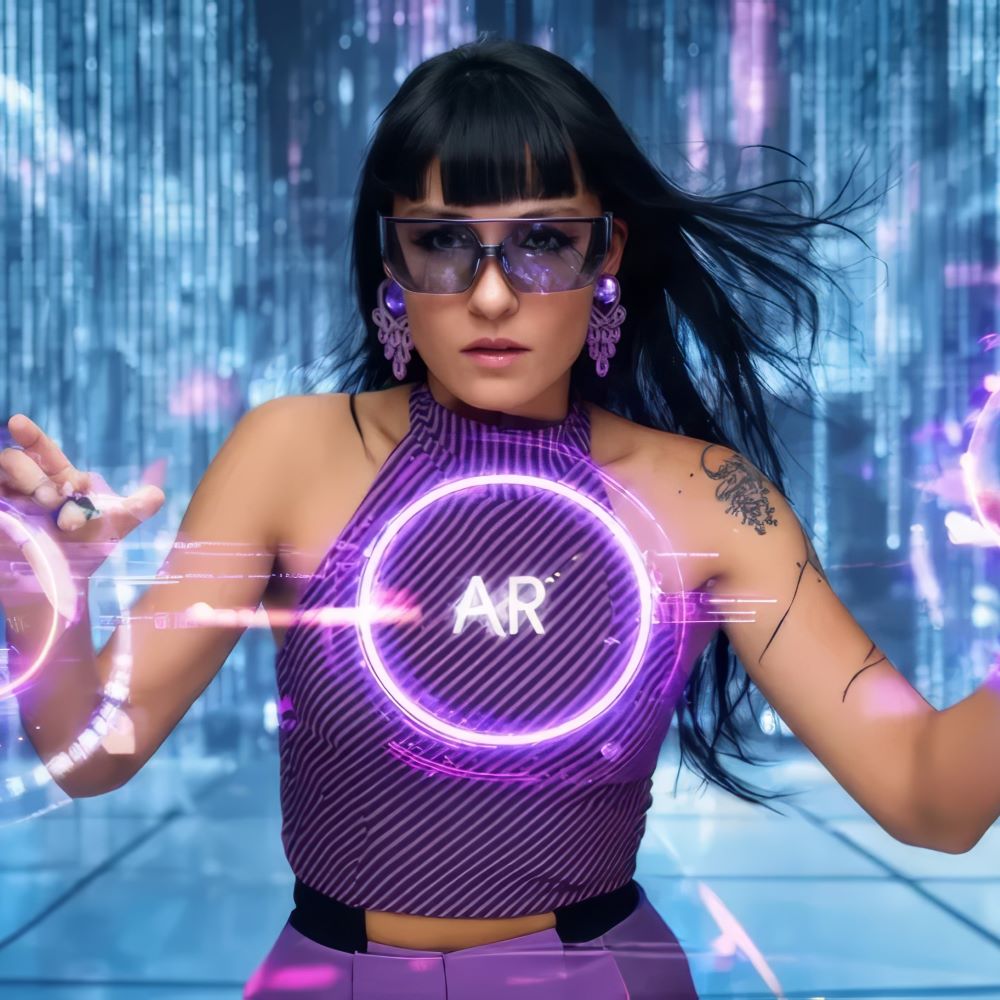
GEORGIE PINN
Founder & Director, INTERACTOR
Georgie Pinn creates public experiences people can step into, shape and remember. As founder and director of INTERACTOR, she brings cinematic projection, responsive animation and audience interaction into public space. Her work invites a gesture to become part of a larger story, turning strangers into participants in a shared moment.
Across more than two decades in festivals, cultural institutions and performance, Georgie has explored how immersive technology can deepen people’s connection to a place and to one another. She works with creative and commercial partners to imagine experiences that draw people in and stay with them long after they leave.

PAUL MARTIN
CEO & Founder, tagSpace
Paul Martin is the Founder and CEO of tagSpace, a Brisbane-headquartered Spatial AI company that delivers personalised mixed reality experiences to phones and smart glasses, turning stadiums, cities and live events into interactive destinations.
tagSpace has been deployed in more than 47 countries for clients including Warner, Deutsche Telekom and Live Nation.
Paul spent 25 years in the games industry, co-founding Slant Six Games, a US$100M-revenue AAA studio, and holding technology roles at Sony, Electronic Arts and Aristocrat. He is also a competitive triathlete and ultramarathon runner.

JAMES HIGHAM
Distinguished Professor, Sustainable Tourism and Co-Director, Climate Change Action Cluster, Griffith University
James Higham is a professor in the Department of Tourism and Marketing at Griffith University (Australia) and an Honorary Professor at the University of Otago (New Zealand). His research addresses tourism and climate change at the intersection of research, policy and governance.
He is currently engaged in a five-year research program funded by the Ministry of Business, Innovation and Employment (New Zealand) which explores the intersection of extended reality technologies and the delivery of immersive nature-based tourism experiences, and regenerative tourism outcomes in New Zealand.

JOE CARTER
Senior Lecturer, Film Production, Faculty of Creative Industries, Education & Social Justice, School of Creative Arts, Film, Screen & Animation, QUT
Joe Carter is a Senior Lecturer in Film Production at QUT, whose work bridges commercial and documentary screen production, emerging technologies and innovative live broadcast practices. His 30-year career in film and television has contributed to productions across Europe and North America, while his PhD research into extreme sports filmmaking has informed his work directing international adventure documentaries, including Fly From Everest (2022).
As a core member of QUT’s XR Screen Futures research group and leader of the QUT LIVE Outside Broadcasting Project, Joe combines practical experience in live multi-camera sports broadcasting with research into in-camera VFX, virtual production and emerging screen technologies. He has a particular interest in how innovations in volumetric capture and real-time remote production workflows are transforming live sports broadcasting and audience experiences.

KAREN SANDERS
XR Strategist, Queensland XR Hub
Karen earned a Bachelor of Engineering from the University of Queensland, marking the beginning of a multifaceted career that transitioned from technical engineering to groundbreaking work in Extended Reality (XR). As a co-founder of a globally recognised XR studio, she has played a pivotal role in shaping the industry.
With 17 years of experience in engineering and over 15 years in XR, Karen blends technical expertise, innovative thinking, and strategic vision. Her dedication to integrating technology into project delivery drives initiatives with measurable impact, reflecting her belief that innovation and technology are cornerstones of a sustainable and prosperous future.

RALF MUHLBERGER
CEO, Ardacious
Ralf holds over 25 years experience in leadership and strategy, technology research, development, and commercialisation, and education and training. He is passionate about commercialising practical, applied work that is tailored to audience segments and grounded in state of the art technologies and research.
As CEO and Co-Founder of Ardacious, Ralf brings together expertise in augmented reality development, learning design and public interactive experiences. His extensive work within some of Australia’s leading universities designing IT and Media curriculums and chairing business committees has led to Ardacious becoming a powerful tool for educators to revolutionise their classrooms. Ralf has also worked on consultancies for the Queensland, Australian and New Zealand governments, as well as global firms across a range of industries.
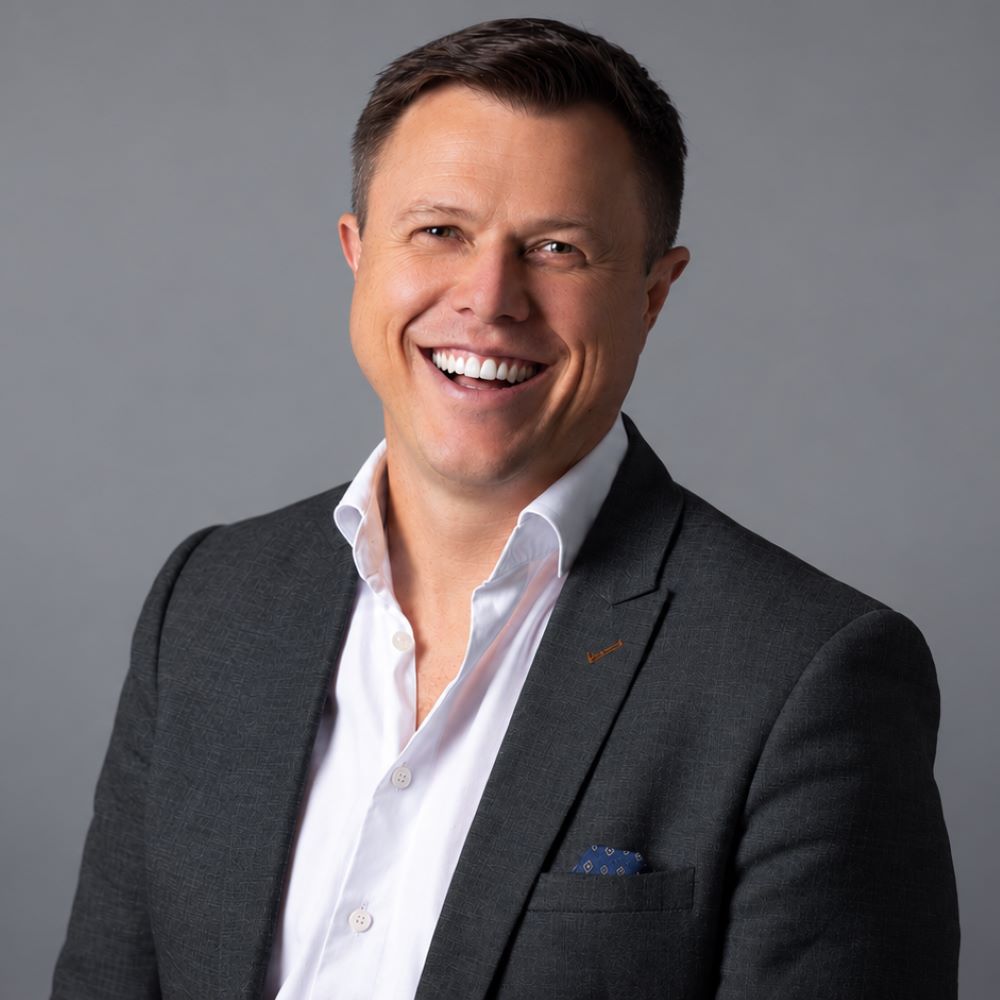
BEN PARSONS
Founder, Ministry of Sport and Playa Power
Ben Parsons is the founder and CEO of MOS Corporation, the business behind Ministry of Sport and Playa Power. A former Group Executive at Southern Cross Austereo, he brings more than 20 years’ experience across media, entertainment and sport, with a focus on building audiences, brands and commercial opportunities.
Through Ministry of Sport, Ben connects the sports business community through news, industry insights, events and relationships. Through Playa Power, he helps athletes develop their personal brands, build audiences and turn their expertise and influence into commercial opportunities.
His work sits at the intersection of sport, media and technology, exploring how emerging platforms, athlete-led content and new fan experiences can create value for athletes, sporting organisations and brands. He brings a practical business perspective to how innovation is adopted, connects with audiences and generates revenue.

MATTHEW AISTHORPE
Chief Technology Officer, Intelligence Layer
Matthew Aisthorpe is the Chief Technology Officer at Intelligence Layer, a Meta Start Partner, and an experienced product leader with over 10 years of experience delivering digital and emerging technology projects. He has led multidisciplinary teams and projects across XR, AI and digital platforms, working from early concepts and stakeholder requirements through to delivery.
His work includes VR, AR, WebXR and digital twins, with a strong interest in how immersive technology can be made more accessible and useful across different devices and audiences.

HAYDEN MORISON
CEO, Next World
Next World is a global leader in immersive learning, providing a subscription-based library of VR safety and soft skills training modules specifically designed for high-risk industries.
Hayden brings a wealth of knowledge on how to unlock unique value for organisations who desire to think differently and innovate for the future of learning.
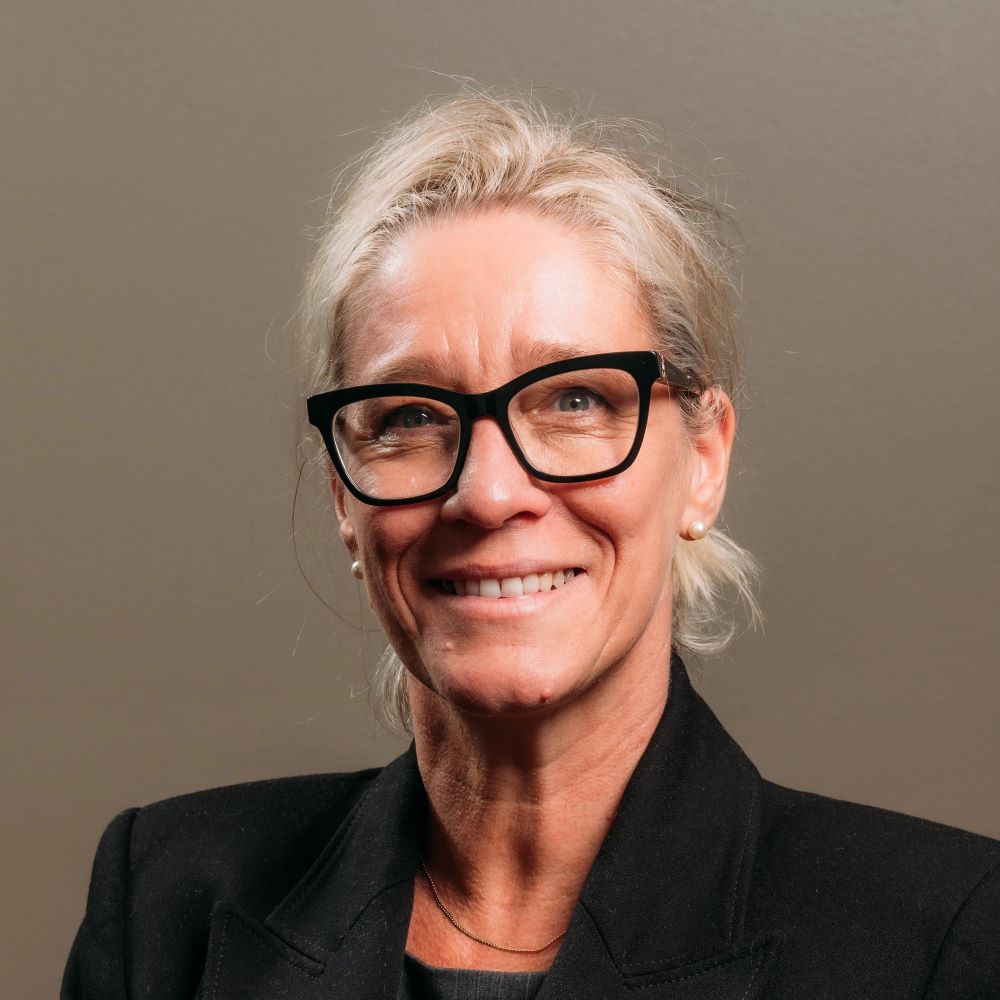
BETTY MOINET
Senior Manager, Strategic Engagement, Esri Australia
Betty Moinet is a Senior Manager in Strategic Engagement at Esri Australia, working at the intersection of people, policy and technology. Driven by curiosity and collaboration, she helps organisations navigate complexity and make informed decisions through location-based insight.
Her work includes defining the Brisbane 2032 Olympic and Paralympic Games geospatial strategy and establishing the first South East Queensland GIS Managers Community of Practice, supporting regional collaboration and practical outcomes.
Betty translates geospatial and digital capability into language that resonates with executives. Her current role focuses on building a network of corporate influencers across Asia-Pacific, elevating location intelligence in leadership and long-term decision-making.
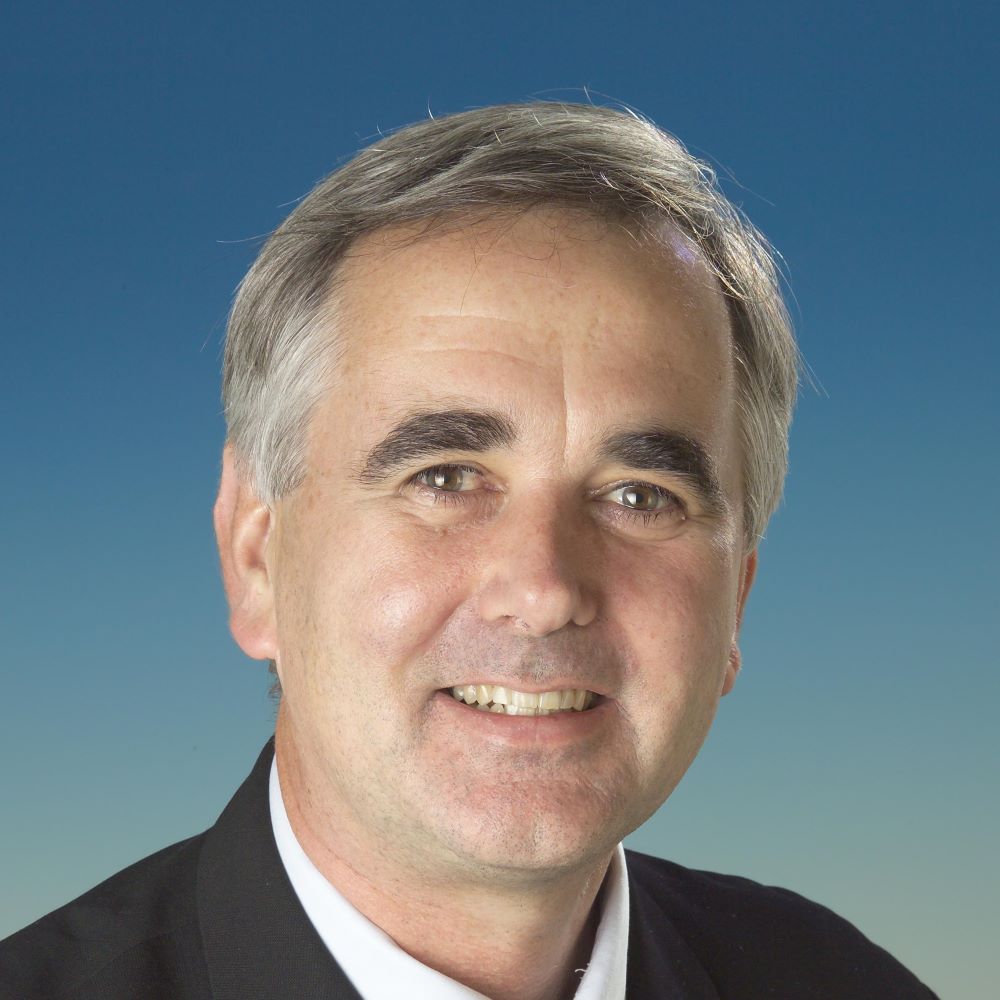
RICHARD SIMPSON
Founding Director and CEO, Meta Moto
With over a decade of experience as the Founding Director and CEO of Meta Moto, a leading provider of strategic management, project management, and technology consulting services, Richard is a passionate and visionary leader who thrives on delivering innovative and impactful solutions for complex challenges.
Richard aims to leverage his expertise in digital twin, smart cities, BIM and spatial data infrastructures to help government and industry sectors improve their planning, decision-making, and performance for societal, economic and environmental well-being.
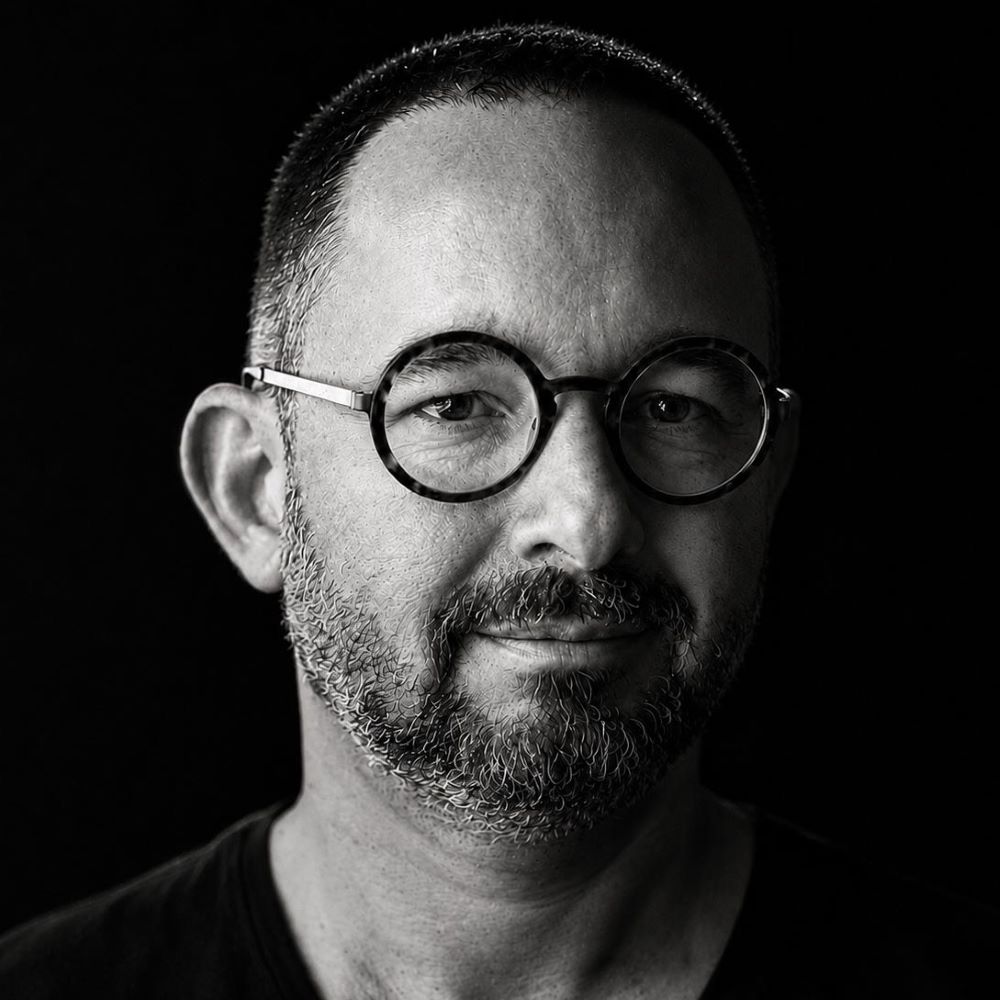
FREDERICO FIALHO TEIXEIRA
Director, UQ VisLab and Associate Professor, School of Architecture, Design and Planning, The University of Queensland
Dr Fred Fialho Teixeira is an architect, media artist and associate professor at University of Queensland, School of Architecture, Design and Planning, and the founder of the UQ VisLab immersive environments infrastructure platform. He has been working in the fields of computational architecture and immersive environments for the last 20 years. He has been awarded the Dean’s Fellowship from the University of California where he initiated is PhD and developed innovative biological-based design strategies at the California Nano Systems Institute.
With over 50 publications on design methods and $2 million research in digital design and fabrication projects, his research focuses on bio-augmented spaces through the experiential traits of immersive media and spatial computing strategies. Presently his research work on digital twins, bio-design and spatial computation combines the use of extended reality, artificial intelligence and advanced manufacturing to enable the next generation of built environments.

KATE RAYMOND
CEO, Master Electricians Australia
Kate commenced as CEO, MEA in April 2024. She has over 25 years’ experience working in the construction industry and not-for-profit sector, including industry associations, senior executive public sector roles and has worked as a construction lawyer in the private and public sectors. She is also a non-executive board member of a community housing provider.
Kate is a proactive, strategic leader with a passion for delivering solutions to complex problems. She has a focus on creating positive, collaborative work environments and achieving goals while enhancing team well-being and development.
Technology Showcase